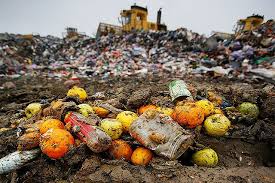
This article explains what happens when we throw away food and why it creates a much bigger problem than most people realize. When food is tossed into the trash and ends up in a landfill, it breaks down without any air. This process creates methane, a gas that warms the planet much faster than carbon dioxide. The article also points out that wasting food means wasting everything that went into making it, including the water used to grow it, the land it was grown on, the energy used for farming and transportation, and all the work people put in along the way. When food is thrown out, all of those resources are lost as well.
The article also shows that food gets wasted at many different stages of the food system. Some waste happens on farms, some happens in grocery stores, and a surprisingly large amount happens in people’s homes. Because of this, the article encourages simple habits that anyone can use to waste less food, like planning meals ahead of time, understanding what date labels really mean, storing food properly, and finding ways to use leftovers. Overall, the message is that reducing food waste is one of the easiest ways for everyday people to help the environment, and even small changes can make a real difference.
https://today.duke.edu/2026/02/what-happens-when-we-throw-away-food
